 By Alex Brashaw
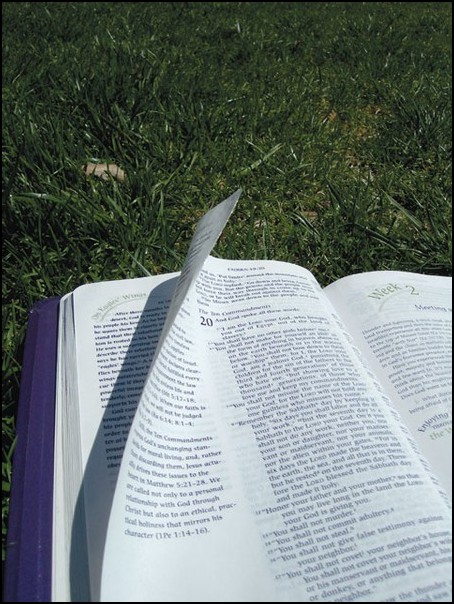
Kentucky Gov. Ernie Fletcher legalized the posting of the Ten Commandments in the state capitol in Frankfort and other public buildings April 10 when he signed House Bill 277 into law.
The issue of posting the Ten Commandments went in front of the Supreme Court last year in two separate cases, one from Texas and one from Kentucky.
Both cases involved the attempted posting of the Ten Commandments in government buildings. Texas’ attempt was accepted, but Kentucky was rejected by the Supreme Court. For this reason, legal experts say that the recently passed Kentucky law will be challenged soon.
“Any sort of attempt to bring a religious display into a public setting like a school, a court house or other public building will almost certainly get challenged quickly,” said Brandeis Law School Professor Sam Marcosson.
“This bill, particularly, will get challenged quickly because it’s on the state level and it comes shortly after the Ten Commandments case that the Supreme Court decided.”
U of L students have strong opinions on the issue at hand. Student Sarah Rourke said that the law is absurd.
“I think it’s the government supporting a religion,” Rourke said. “We’re supposed to have separation between church and state.”
Rourke also mentioned that many other religions are prevalent in the United States besides Christianity.
“Why not have their laws posted in government buildings, too,” she asked.
Separation of church and state and the First Amendment’s provision for freedom of religion were recurring themes among students.
“I don’t think any religious documents should be posted in state buildings,” said U of L student David Kitchell.
Kitchell said there are so many different religions out there that permitting religious documents in government buildings would create a slippery slope. “Where do you draw the line?”
Student Chad Hobbs supports Fletcher’s decision.
“I support it because this is what our founding fathers believed in, and if you don’t follow the Ten Commandments, then you can ignore it,” Hobbs said.
Some believe there are political motivations to passing the bill.
“The political dimension is that [the bill] appeals to certain voters who have a strong religious dimension who tend to think that those ought to be expressed and those ought to be displayed in public places by government,” Marcosson said.
“And those tend to be conservative and religiously motivated voters.”
Although experts predict the Ten Commandments law will be challenged in the near future, as of now, there is no legal opposition and the law remains in place.