By Jessica Bellamy
Indiana students watched their football team win the national championship in Miami from couches and sports bars while tickets soared past $4,000. Back in Louisville, a similar problem exists on a smaller scale: a family of four can’t attend a single basketball game for under $200.
The question is simple. Who are these games for?
The Indiana-Miami championship game on Jan. 19 became the most expensive college football title game in history. Average ticket prices hit $5,740, with the cheapest seats starting around $3,900. Add in flights to Florida averaging $376 to $780, hotel rooms running $196 to $992 per night, and parking passes selling for up to $9,000, and attending the championship became financially impossible for most students.
“I have my students back at home who I’ve barely seen this month,” D. Jones told me after following her team through multiple playoff cities.
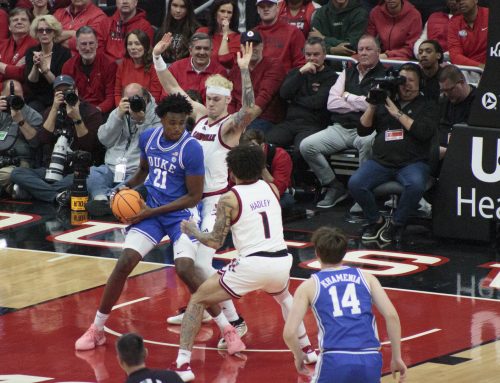
Louisville students face their own accessibility crisis. While Cardinals basketball tickets can technically be found as low as $11 on secondary markets for games against less popular opponents, premium matchups tell a different story. The upcoming Louisville versus Duke game features get-in prices starting at $73, with prices climbing significantly for better seats.
For football, the economics are slightly better but still challenging. General admission Cardinals football tickets start around $13 to $16 on secondary markets, though prices jump significantly for rivalry games. Parking passes start from $66, depending on location and opponent.
These are just entry costs. Factor in parking at L&N Federal Credit Union Stadium and concessions that mirror championship game pricing when you multiply it times four.
Louisville offers students free entry to some events, like Louisville Live, the annual preseason basketball showcase at the KFC Yum! Center. But during the regular season, students competing with deep-pocketed alumni and corporate ticket holders often find themselves priced out.
The trend extends beyond Louisville. Championship economics reveal systemic issues in college sports. When Miami played for the national title at their home stadium, local ticket brokers fielded calls from people they never met. One Miami student shared that many of the students decided to “hit the streets” instead of spending money they didn’t have for game tickets.
The College Football Playoff’s neutral-site championship model maximizes revenue while minimizing student access. Indiana claims over 800,000 living alumni, yet most watched their historic undefeated season culminate from television screens rather than Hard Rock Stadium seats.
Louisville’s athletic department faces similar tensions between generating revenue and maintaining accessibility. While the university operates 21 sports programs requiring significant funding, ticket pricing increasingly favors those who can afford premium experiences over students and families who built the fan base.
Season ticket members get priority parking and preferred seating, creating a two-tier system where wealth determines proximity to the action. Students who might become tomorrow’s donors and season ticket holders struggle to afford attending games today.
The irony is thick. College sports market themselves on student-athlete competition and campus spirit. Yet the students themselves often cannot afford to watch. When championship games and top matchups become luxury experiences accessible only to the wealthy or connected, universities risk losing the authentic fan energy that makes college sports special.
The question remains unanswered. Are these games for students and families, or have they become entertainment products for the highest bidder?
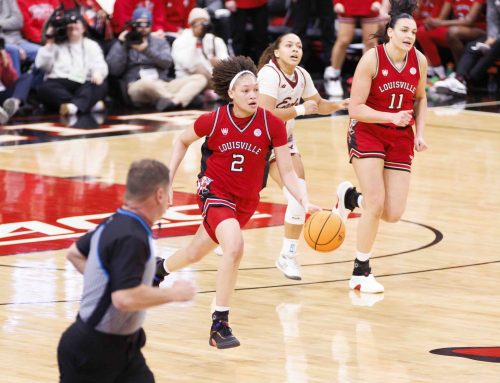
Photo by Vinny Porco / The Louisville Cardinal