

 By Matthew Marango
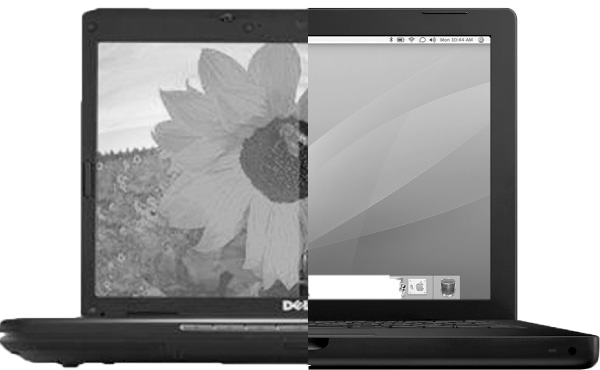
For as long as mankind can remember, two powerful forces have been locked in an epic struggle, fighting for power and control of the world. This battle rages, rarely discussed, but certainly present at the University of Louisville. The combatants? The computer systems Mac and PC
Most students agree that Macs have the advantage in interface and ease of use.
“It’s so simple, so clean,” said senior psychology major Luke Houchens. “My Macbook is one of the most important and often used objects in my academic arsenal. It’s more reliable and easier to use than PC.”
For some, however, this perceived advantage could actually turn them off from using Macs.
“I don’t like Macs because they assume the user is completely stupid,” said fourth-year art major Zac Pensol. “They’re too simple.”
Senior psychology and biology major Cory Howe also finds himself in the pro-PC camp.
“They have the same quality hardware,” said Howe, “they’re easier to upgrade, and the warranties aren’t so strict.”
Although this group is the vast majority of the American public, the Mac operating system is steadily increasing in popularity; recent reports by MacWorld estimate that the Mac represents 6% of the market and that figure is only increasing.
“Macs should be gaining popularity,” said Houchens. “They’re really excellent machines and generally much less susceptible to viruses.”
Another stark contrast that users cite is that Macs boast a reputation of careering to creative minds in creative fields, while PCs are generally regarded by students as more of a business platform.
PCs, however, also seem to have an advantage in the realm of video gaming, as very few companies release games for both systems. Other games are ported to the Mac by third party companies.
Mac games are rarely, if ever, seen on store shelves, and some popular games will never be released on the Macintosh due to problems with porting them from the PC.
“The Orange Box,” a compilation including Half-Life 2 and Team Fortress 2, is an example of this.
Gabe Newell, co-founder of Valve Corporation, the company behind “The Orange Box,” said in an interview with one website that Apple doesn’t appear to take gaming seriously, or follow through on even simple projects.
With so many different advantages going to each system, it may seem difficult to name a clear winner in this battle for computing supremacy.
Some, like psychology professor Richard Lewine, fall on both sides of the line in this debate. In fact, Lewine owns both a PC and a Mac, and recognizes the difficulty of committing to one over the other.
“If the rest of the world would catch up, I’d definitely be a Mac person,” says Lewine. “With the university, there are so many things you can’t do on a Mac.”
And, unlike, Lewine, there are always people who just haven’t had the opportunity to experience the differences between the two systems.
Many people, like Matt Elzy, use a PC because that’s all they know.
“I’ve never used a Mac,” said the junior theater arts major, so she sticks with the familiarity of Windows.
With such prevalence on campus, it would seem that the PC currently has the upper hand at U of L; with the surging popularity of the Mac, however, only time will tell if that lead is safe.





