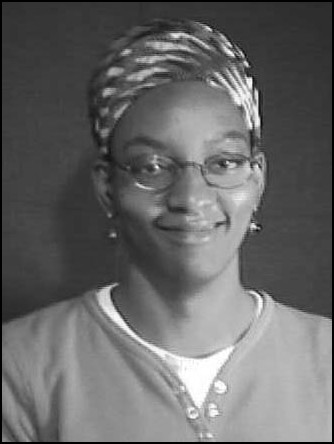
 By Josephine Khamisi
Reparation context
There are several key principles that have to be understood before one can appreciate the concept of African Americans pressing for reparations. The basis of recent claims against several corporations is that those companies, or their antecedents, were “unjustly enriched” by the economic system of slave labor and should return those profits. Furthermore, advocates believe that the approximate 246 years of enslavement (and approximate 100 years of “Jim Crow”) systematically deprived African Americans of the ability to accumulate and pass on wealth during that time.
Lastly, advocates for reparations believe that there are causal connections between a history of economic disenfranchisement and the economic conditions of the majority of African Americans.
Unfortunately, I think that discussions of this topic get railroaded into discussions of logistics, when we first need to decide whether or not there was economic injustice against slaves that led to undeserved profits.
While there are issues of statutes of limitations, and the fact that those who suffered directly have since passed, anyone with even a superficial understanding of history can understand that getting the wrong redressed during their lifetime was hampered by the still racist attitudes of those in all the branches of federal and local government.
Despite what some opponents think, this is not some get-rich quick scheme. The movement for some form of compensation began as the Civil War was ending. It has its origins in General Sherman’s Special Field Order No. 15 (1865) that mandated “each family shall have a plot of no more than (40) forty acres of tillable ground.” The order was eventually revoked by President Johnson. And while the Freedman’s Bureau was given 800,000 acres of abandoned and confiscated Southern land to help resettle former slaves, by the end of the summer of 1865, African Americans who had been resettled there were forced out of their land. Between 1890 and 1903, there were at least nine bills introduced to congress by an Alabama Democrat William Vaughn calling for an ex-slave pension fund.
Although nothing happened with those bills, some Southern slaveowners were compensated for their property losses during the Civil War. As far as I can tell, there were no new cases during the era of Jim Crow, although since the passing of the Civil Rights Amendment, bills calling for reparations have come in Congress at least thirteen times.
Many opponents to reparation payments also argue that since they were not individually responsible, they should not be liable. However, there often exists the need for the subordination of some values for fulfillment of justice and benefit of the greater society. I believe that many Native American nations deserve to be compensated for the additional hurdles they face as a result of being systematically destroyed.
Even though I didn’t do it, I recognize that I benefit from their suffering. And it is recognized that no money can possibly erase the suffering of those that lived through the slave system, and those who live under its shadow. Being challenged by how to design an equitable system to address this legacy should not be an excuse to do nothing.
One thing that wounds me daily is that without living in my skin, others can tell me how I am and am not affected by both current and historical marginalization. Just because I, personally, and others have achieved a level of success within this country, does not negate the existence of discrimination, nor white privilege.
The general form that these reparations are being requested are for large-scale community development projects that would target inner-city communities to improve educational institutions, access to health-care, and improve housing conditions.
This will ensure that it is not merely individuals who benefit, and in fact, the cycle of cash flow will distribute the money into the community and through various businesses and services through-out our economy.
While I agree with focusing on corporations, I still think that the government is most culpable. It was our democracy that legalized and maintained the system of racial inequality and ultimately created a legal system where the actions of these and other companies, as well as countless individuals, can now be defended by saying that they did nothing illegal, even though it was wrong.
Josephine Khamisi is a senior sociology major and a guest columnist with The Cardinal. You may contact her at josephine_khamisi@louisvillecardinal.com