 By Erika Klimchak
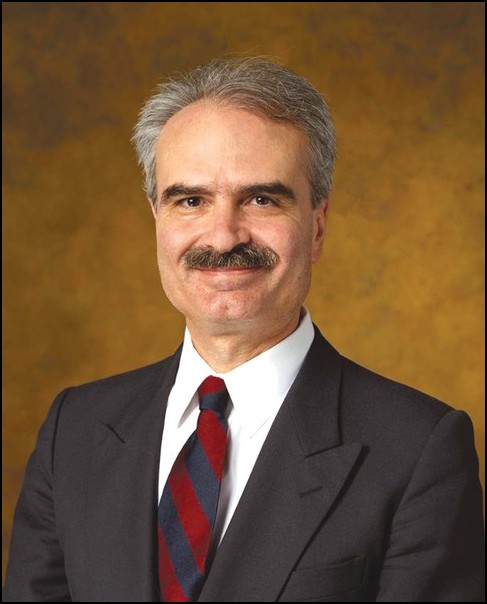
Dr. Roberto Bolli believes that we will soon see a day when heart attacks no longer damage hearts. Bolli, a U of L scientist and distinguished chair in Cardiology at the Jewish Hospital Heart and Lung Institute, is leading a team to study the effects of gene therapy on heart attack victims.
The team is part of an $11.7 million grant from the National Heart, Lung and Blood Institute, a subgroup of the National Institutes of Health.
“Heart attacks are the number-one killer in America,” Bolli said. He said that last year there were 970,000 deaths attributed to heart attacks in the United States, as compared to 560,000 deaths from cancer.
Bolli hopes to reduce this mortality rate significantly through his groundbreaking research in gene therapy.
Four teams at U of L are studying different processes in the heart, and Bolli leads the team that is using gene therapy to improve the heart’s response to stress.
Recently, Bolli’s team has transferred cyclooxygenase, a COX-2 gene inhibitor or painkiller, and heme oxygenase, which produces carbon monoxide and acts as an antioxidant, into the hearts of mice.
The genes are expected to begin protecting the heart against heart attack damage nine months after the procedure.
“Dr. Bolli has a talent for interesting others in his ideas and for assembling and nurturing a first-rate team of researchers around him.
Since his arrival, he reached out to scientists that were on site and recruited new investigators,” said Dr. Laura Schweitzer, interim dean at the School of Medicine and associate vice president for Health Affairs.
“Together, this team of outstanding researchers has now competed with the best cardiac research groups from across the country … and we’re expecting great things from Dr. Bolli and his team.”
Heart patients are currently prescribed medication that produces nitric oxide.
But through Bolli’s gene therapy, this medication will no longer be needed, as nitric oxide will be produced organically.
In fact, according to Bolli, humans could “never take enough pills to reach the levels that will be produced naturally through this process.”
Bolli said that, although heart attacks will still occur, “because of this gene therapy, heart attacks will be much milder, and there will be much less damage to the heart and its cells.”
People won’t develop heart failure and heart disease as a result of their heart attacks, which will decrease the mortality rate of heart patients.
The $11.7 million grant is the largest NIH award in U of L’s history.
Bolli said that the university’s application was reviewed by a panel of medical experts and that only 25 percent of the applications received funding.
“We competed against outstanding schools like Harvard University, Duke University and Johns Hopkins, and U of L came in at the top 5 percent of the applications being considered,” Bolli said.
“The review board called
U of L’s application a paradigm of how all the applications should be.”
Bolli couldn’t predict exactly when patient trials for the gene therapy could begin.
However, Bolli says that he hopes the trails will get underway within the next few years.