

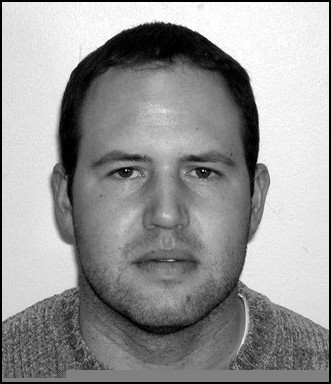
 By Charles Westmoreland
Let’s be honest, kids: how many of you spent this New Year’s Eve with your head resting on the rim of the toilet, in some stranger’s bed, or completely alone in a drunken stupor? Raise your hands high if this applies. Never mind – we don’t want to advertise your indiscretions to the world, do we?
But it’s 2005 now and New Year’s resolutions are full-steam under way. You’re going to lose the 7.5 pounds you gained last semester – it’ll be 15 by May – quit smoking, drink less, raise your dating standards and make better grades, right? Right.
It’s safe to assume that many of us celebrated the dawn of a New Year by imbibing incredibly large quantities of alcohol. Yet, in celebrating the end of a horrible 2004 we begin 2005 with our heads in the toilet and feeling like hammered doggie doo the next day. Does this make any sense, especially in light of the fact that most of us are doomed to repeat it for years to come? I, for one, am on my eighth consecutive New Year’s repentance.
The clean slate of a new calendar year encourages us to clean up our acts, foreswear our bad habits. We decide to be better, wiser, more wholesome people, yet around February our spurned habits return full force, almost vengefully.
Stress slowly begins piling on as mid-terms approach, resulting in “maybe just one” drink. Soon, that loser you dumped is hanging around like a stray cat – don’t feed it or let it inside your home, or it’ll never leave – and you’ve already been led astray by a string of alluring cheese danishes. But don’t worry, there are always 2006’s resolutions to look forward to.
The truth is, we’re the same weak-willed lechers we were on Dec. 31 when we made those empty promises to ourselves. It will take a lot more than flimsy resolutions to save us from ourselves.
The date is different, but everything else is the same. Unless we maintain undaunted discipline and strict scruples – which we’ve proven we can’t – it’s our environment and routine that have to change before we can hope to. The thing to do is embrace our flaws and wait for that job offer, relationship or religious cult that will give us the geographical and circumstantial cure we need to break the cycle. Until then, we should be comfortable with our horrible hedonistic selves, and remember that we’re not alone.
Charles L. Westmoreland is a senior majoring in English and is News Editor for The Louisville Cardinal. E-mail him at: cwestmoreland@louisvillecardinal.com





