 By Charlie Denison
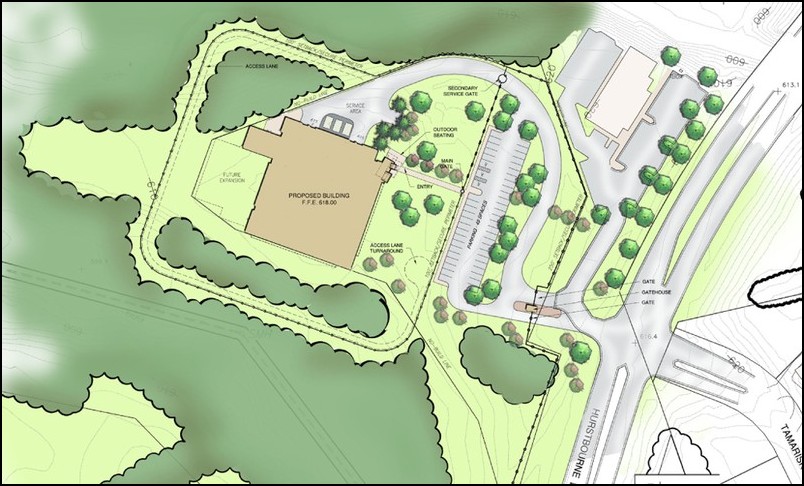
For years the University of Louisville has tried to involve and develop its Shelby campus. Now, if all goes as planned, not only will the Shelby campus be better integrated, but it will also have a top-notch biosafety lab to bring more research and top expertise to Louisville.
Last December U of L applied for federal funds to build a new lab where researchers could develop vaccines for such diseases as SARS and the West Nile Virus, and investigate other health problems like tumor formation. If U of L receives the funds, the new biosafety lab could be up and running by 2008.
The university also hopes to develop resources for first responders in the case of bioterrorism emergencies involving antibiotic resistant tuberculosis.
A.R.T. is one of the few diseases that could be released into the air intentionally by a terrorist group.
But if the research is already being done, why does U of L need the biosafety lab? According to Denise Fitzpatrick, director of Media Relations, “The vaccine research is a slow process due to usage of outside laboratories. With a more advanced biosafety lab on campus, researching would be faster.”
But why the Shelby campus?
“There is ample room at the Shelby campus,” Fitzpatrick said. “Since we already own land on the Shelby campus, we will have more money to invest on research materials and equipment.”
Building the lab is part of a National Institute of Health project to develop protection against biological threats.
In order for U of L to be approved, the NIH must first conduct a year-long environmental analysis of the land on the Shelby campus. “The NIH needs to be sure no negative effects can result from a biosafety lab in the area,” Fitzpatrick said.
But the university seems confident. In a July article of the Lane Report, U of L President James Ramsey said, “Louisville and the commonwealth are ideal locations for such research efforts and for the companies and other economic development opportunities they bring with them.”
In the same Lane Report article, Louisville Mayor Jerry Abramson said that the lab would provide the right kind of job opportunities. Genetech, the company that represents the biosafety lab, has been ranked as one of FORTUNE magazine’s “100 best companies to work for” for seven consecutive years.
About 20 other schools applied for the funds. Similar labs are already in the process of being built in Duke, Tulane, the University of Alabama-Birmingham and the University of Chicago.
“The places with the best equipment have the best research,” Fitzpatrick said. “If we get the lab, we hope to continue to expand and get even more grants.”
U of L will hear whether or not it will receive the funds by the end of September.