By Mackenzie Chea
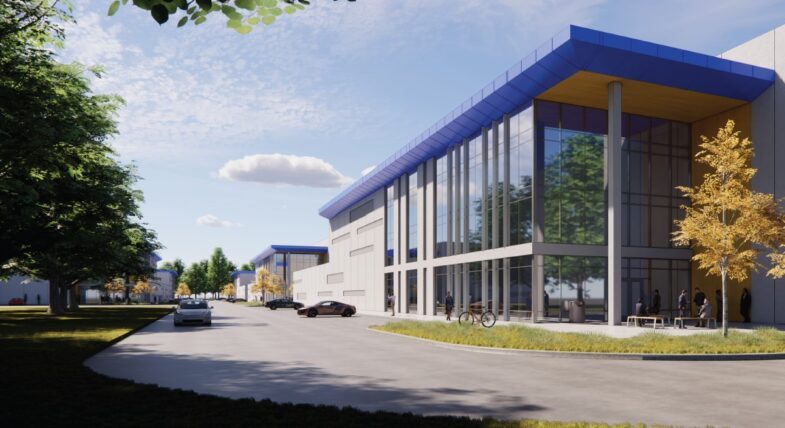
As Louisville leaders celebrate plans to develop an $11 billion data center on Camp Ground Road, I can’t help but think of my sister, Tiffany.
She teaches at Western High School in Shively, just a few blocks down from where the construction of this nearly 150-acre campus is set to begin.
She spends her days giving students hope for a future in their own city, a future that feels increasingly uncertain as massive industrial projects rise around their neighborhoods.
Developers like Poe Companies and PowerHouse Data Centers, along with Mayor Craig Greenberg, promise that this project will bring short-term prosperity, such as construction jobs and investments, as well as a few long-term positions to maintain the site. But when the dust settles, what will really remain for the families who actually live there?
Large-scale data centers will be energy and resource consumers larger than anything Louisville has seen before.
The proposed 400-megawatt facility will draw enough electricity to power thousands, if not hundreds of thousands, of homes while offering only a handful of permanent jobs. These operational jobs will likely be few and highly specialized, hardly accessible to the students graduating from schools like Western.
Once construction ends, those short-term economic boosts fade away, leaving behind higher costs of living. My sister’s students already come from families struggling to afford rising utility bills and rent. When a project like this drives up energy demand, it’s ordinary residents instead of tech companies that will bear the financial cost.
It’s not just electricity we are worried about. Data centers require massive amounts of water for cooling, which can lead to contamination and waste.
Louisville’s location near the Ohio River made it the perfect target for a data center company, but it is a risky gamble. The developers call this “innovation,” but innovation shouldn’t come at the expense of our city’s natural resources and public health.
The benefits only flow towards the developers and corporations that see our city’s land and utilities as cheap inputs for their infrastructure. Louisville is being asked to carry the burden of environmental risk and long-term costs while others reap the reward. This is exploitation disguised as opportunity.
Poe Companies and PowerHouse Data Centers, I urge you to think beyond profits and power grids. If you really want to invest in Louisville’s future, start with the people who live here: the teachers like Tiffany, the students she serves and the families who call this community home.
Louisville doesn’t need another massive industrial footprint that drains our resources and compromises our future. We need investments that strengthen our neighborhoods.
Mackenzie Chea is a lifelong Louisville resident and a sophomore communications major at the University of Louisville.
Image Courtesy / Poe Companies