 By Thompson Perry
Famous writer Margaret Mead once said, “Never doubt that a small group of thoughtful, committed people can change the world.”
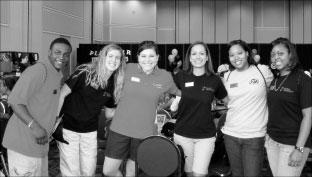
At the University of Louisville, there is a group that seemingly lives by these wise words: the Peer Health Advocates.
The Peer Health Advocates learn about current health issues that affect college students and the campus community. Then, they collaborate to design and test new programs that will address these issues.
“The way that I would describe what I do to someone who has never heard of us, is that we are an accessible way for all students to get answers to any questions they would have about health,” said Jessica Nehring, a senior public health education major who is a member of the Peer Health Advocates.
As part of the group’s mission statement, the PHA will “sponsor and co-sponsor educational workshops and campus-wide awareness events to provide high-quality health choices.”
They will also be available forconsultation with student organizations and individuals, providing valuable and accurate health information and referrals in a comfortable, safe and confidential environment.
“I think it’s terrific that a group like this exists on our campus,” said Luke Houchens, a junior psychology major. “It really fills a need and provides a very valuable service to the campus community.”
By recruiting passionate and committed people who enjoy making a difference and sharing their knowledge, the PHA has laid a firm foundation for great success and effectiveness.
“The most rewarding part is actually seeing the difference you make first hand by giving others the tools to effectively make positive health decisions for themselves,” said Emilia Myers. “I predominately teach Women’s Self-Health Classes; it is a wonderful feeling after one of my peers walks out the door knowing she is empowered to make smarter decisions and is more educated about her body.”
One of PHA’s most recent group projects was its Designated Driver Initiative, which was part of the U of L Coalition to Reduce High Risk Driving. The cornerstones for this drive, like nearly all of those created by PHA, were awareness and education. The group provided students with accurate alcohol risk reduction information and allowed them to wear Fatal Vision goggles in various areas aroud campus.
The goggles, which simulate the impairment that drug and alcohol can produce, are perfect representations of the way that the group operates. PHA bring information directly to the students in a hands-on and memorable manner.
In addition to the goggles, the group encouraged students to sign a Designated Driver Agreement; through partnerships forged with many local bars, U of L’s designated drivers were given free soft drinks.
“I think that Peer Health Advocates do a really great service for our community,” said Houchens. “Instead of dry, dull lectures that most students would just ignore, they really try to get out there and help the community. Their methods are effective and well-planned. They do a lot of good, and the campus is lucky to have them.” “Collectively, the diversity and experience the Peer Health Advocates have are making a lasting footprint on Belknap’s campus,” said Myers. “Our role is education through awareness. Thus far, we are doing a great job, but there is still more to accomplish.”
Nehring would agree.
“We only do health promotion for students so it allows us to be very focused and tailor it to their specific needs,” she said. “I feel that my role at UofL is to help students learn how to be healthy by supplying them the information and tools to do so.”
Thoughtful and committed, the Peer Health Advocates are lending truth to the words of Margaret Mead.
“The most rewarding parts of being a PHA,” said Nehring, “is just when you see that a person has learned something new that will change their way of thinking.”