 By Melissa Moody
As the Metro Council and the mayor’s office continue their campaign to make Louisville more beautiful, the arts figure to play a large role in the revitalization of downtown.
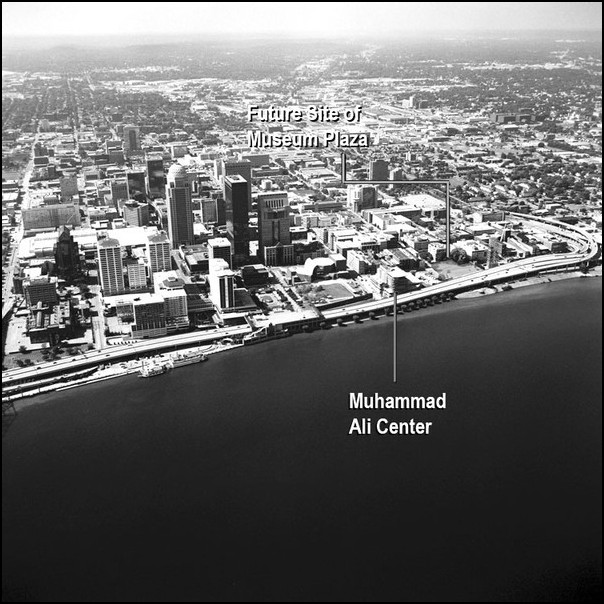
The University of Louisville is looking for an opportunity to be part of the beautification process by leasing space in the yet-to-be-built Museum Plaza, which will be located adjacent to the Muhammad Ali Institute near the waterfront.
The university is seeking space in the plaza for its Fine Arts program. A formal Request for Proposal was issued last week. Dr. James Grubola, chair of the Allen R. Hite Art Institute, described the move as “part of a larger vision – of moving the department, which already offers the largest and most comprehensive art program in the state, beyond regional excellence to a level of national distinction.”
The university would use the space to expand its graduate program, create a Master of Fine Arts and increase the capabilities and visibility of the glass curriculum. The program would compete with only 13 other Master of Fine Arts programs that offer glasswork. The current enrollment in the department’s glass courses has doubled since last year.
The university would also like to use the space to “establish a downtown presence,” Grubola said. The department has already designated graduate student and faculty studios, design studios and gallery space within the proposed area, as well as launching a Masters of Curatorial Studies.
U of L is currently in negotiations with the Museum Plaza Development Group under Steve Poe, a Louisville developer and head of Icon properties, and local investors Steve Wilson and Laura Lee Brown.
The Museum Plaza will be built by Rem Koolhaas and Joshua Prince-Ramus of the Office for Metropolitan Architecture, and will contain a contemporary art museum, residential housing, commercial office space, a parking garage and a large public plaza. The university would potentially occupy 35,000 square feet of space within the plaza.
The project will be funded through private donations to the university and extensive fund-raising, Grubola said.
“Having the university involved in a project with nationally recognized architects in an emergent arts and cultural center in Louisville would greatly increase visibility for the university, the faculty and the students,” Grubola said.
Enrollment in the Art School has been steadily on the rise since 2001 with the acceptance of 135 new students on average each year and a total enrollment of over 500 undergraduate students this year.