

 By John Beechem
“World of Warcraft” is the most recent, and most significant, addition to the growing library of multiplayer online role-playing games. Often termed MMORPGs, these games allow the player to play within a huge, anonymous community of gamers simultaneously, working with or against each other for everything of value within the game.
MMORPGs are nothing new to the gaming community. Everquest, released in 1999, was the first popular MMORPG that made a cultural impact, launching questions about intensive game immersion, gameplay addiction and online identity. Many other MMORPGs have since been released, including “Dark Ages of Camelot,” “Neverwinter Nights” and even the first MMORPG based on a movie, “The Matrix Online.”
The “Warcraft” universe began in 1994 by Blizzard Entertainment. Along with Westwood Studio’s “Command and Conquer,” the original “Warcraft” helped shape another genre, the real-time strategy game. Its sequels, “Warcraft II” and “Warcraft III,” were released in 1996 and 2002, respectively.
Warcraft, as its name implies, takes place in a world perpetually ravaged by war. To make a long story short, an evil wizard in the kingdom of Azeroth opened a portal to the world of Draenor, a hellish place populated by a shamanistic Orc culture (think “Lord of the Rings” and you’re almost there). The Orcs entered this peaceful, archetypal fantasy world, found other groups of “bad” races (Goblins, Ogres, Minotaur-like Taurens, etc.) and have continued to wreak havoc ever since. Except, beginning in the third game, there are also zombies. So there.
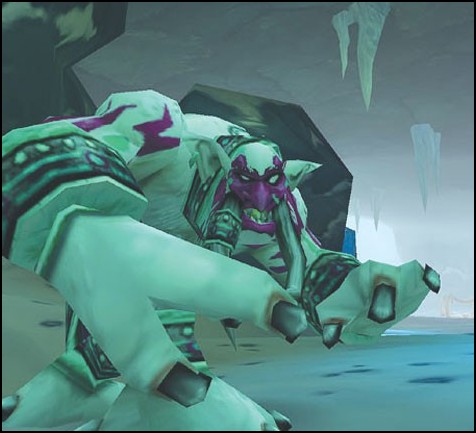
Blizzard uses a conventional fantasy world to allow gamers to immerse themselves in a world that is both familiar and wondrous. “World of Warcraft” is escapism at its best, allowing a tired college student to relax, hunt trolls, slash zombies, bash elves and wage war.
As grounded in fantasy as “World of Warcraft” is, there are certain realities that players must face as well. The gaming world has an economy, with common items being worth little and rare items worth a lot, with a great deal of variation in between. Players can earn their way in up to two primary professions. Professions are divided into two categories, gathering and production, and they often work together. For example, my Dwarf Warrior (all common fantasy races and classes are included) worked as a miner and a blacksmith. I could find veins of various minerals, mine them, and then take the ores, so I could use my blacksmithing skills to create armor and then sell it.
Players must depend on trainers within the game to teach them these skills, and just like at U of L, education is expensive. The most valuable skills will cost the most money, which players earn as they level up.
Besides the tremendous balance of escapism and reality Blizzard Entertainment has achieved with “World of Warcraft,” the game is simply beautiful. I remember watching my dwarf ride a griffon back to the dwarf capitol city with another friend who plays the game, and I was simply mesmerized by it. If you’re interested, try looking around forums, Blizzard’s site and other online resources for some movies and you will be impressed.
If you like role-playing games and haven’t played an MMORPG before, try this game. I’ve gotten more enjoyment out of “World of Warcraft” than I have from any other game that’s come out in a long time. Embrace your inner nerd, drink some ale with a few friends or strangers, and let yourself lighten up by exploring this awesome make-believe world.





