By Savannah Dowell
Several University of Louisville student groups released a joint statement regarding the University’s disposal of their gender-inclusive housing program under House Bill 4.
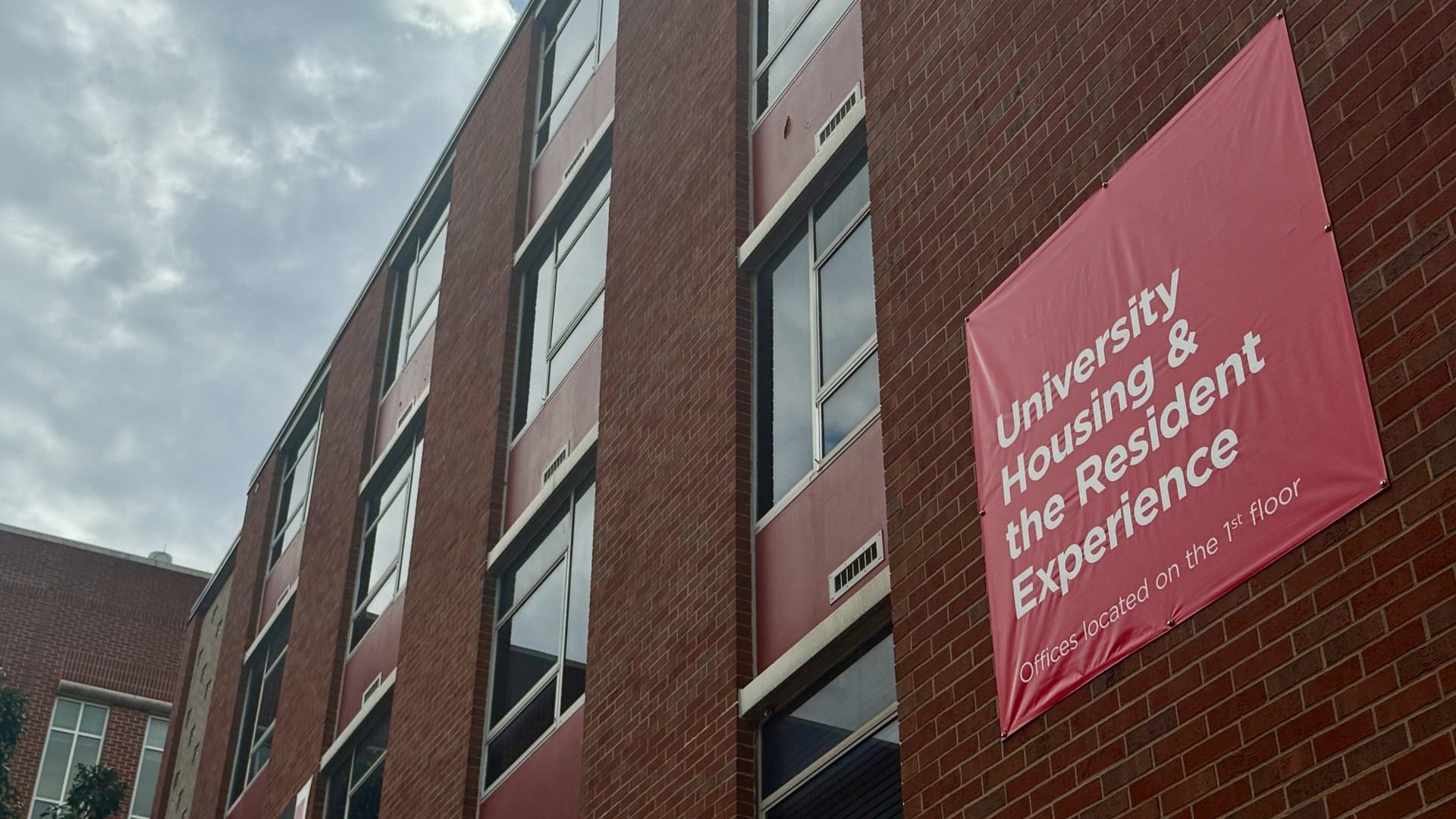
Late last month, students who had previously opted into the gender-inclusive housing program received an email stating that University Housing and the Resident Experience “will no longer be able to offer or process housing assignments based on gender identity,” which prompted several student groups to unite and demand transparency and accountability.
U of L’s strained relationship with its transgender community is not new. In 2023, a transphobic incident at an off-campus fraternity party left students reeling with the perceived lack of university support for LGBTQ students. Throughout this period of unrest, the administration pointed to its gender-inclusive policy as proof that it was, in fact, supportive of its LGBTQ population.
However, for some trans students, the gender-inclusive era wasn’t all too inclusive.
“As someone living in housing and as an employee of UHRE, I was repeatedly misgendered, deadnamed, evaded and lied to about my options by the same people claiming inclusivity. Now that even the slightest inkling of support is gone, life for trans students is about to get so much harder in ways that this university could have and should have prevented,” said recent graduate Jasper A.
Other students also hold that the policy itself fell short in many ways.
“As one of the few transgender students in campus housing during the summer, I had a disturbing experience with UHRE even after the gender-inclusive policy was made. I had requested not to live with a cisgender woman student so as not to make her uncomfortable, and I kept having to jump through hoops while being deadnamed and misgendered by University Housing. At one point, I was redirected to the Disability Resource Center, as if being trans was a disability,” said Erick Henrick.
The pullback of gender-inclusive housing is just one of many changes coming to U of L under HB4, which went into effect on June 30, 2025, and was protested by students before it passed into law. The students also noticed that several Living Learning Communities, including Feminist Social Justice Leadership and Bayard Rustin, were missing from the university’s webpages. The University has yet to make a campus-wide announcement on the program’s abrupt conclusion.
The students’ petition, which allows students to contact administration directly states the following:
These attacks have been followed by a pattern of overcompliance the university has taken when presented with legislation like SB150, HB4, and federal executive orders. The University has the responsibility and the means not to intensify harm but to push back against it.
The students say that those who have contacted the administration via the petition have received a direct response, but call it “unsatisfactory,” and note that it neglected their main concerns for the gender-inclusive policy and the lack of transparency with which the changes were made.