By Brennan Allen
Despite multiple outspoken efforts made by University of Louisville students last semester in protest of Trump’s attack on diversity, equity and inclusion, students still returned to a campus in compliance with House Bill 4 this semester.
As soon as Trump set foot into office in January 2025, his eyes were set on dismantling anything that relates to his rough definition of “wokeness.” Immediately, he began signing executive orders targeting DEI programs in the federal government, before cutting university funding for DEI initiatives.
House Bill 4 was initially introduced to Kentucky legislators in February 2025. It targets university spending on diversity initiatives, prohibiting institutions from providing specialized treatment based on religion, race, sex, color and origin. The bill also called for the elimination of buildings, programs, scholarships and offices related directly to DEI.
When students first got word of what House Bill 4 would mean for UofL’s diverse student body, they immediately protested the bill’s contents. Students marched from the Swain Activities Center to Grawmeyer Hall holding signs saying, “Inclusion is not exclusion,” and “Education needs DEI.”
Despite their efforts, House Bill 4 was signed into law on March 27 and required implementation in Kentucky universities by July 1. Students returned to U of L this fall semester to what seems to be the same institution as it was before House Bill 4, besides a few minor adjustments made to adhere to the new laws.
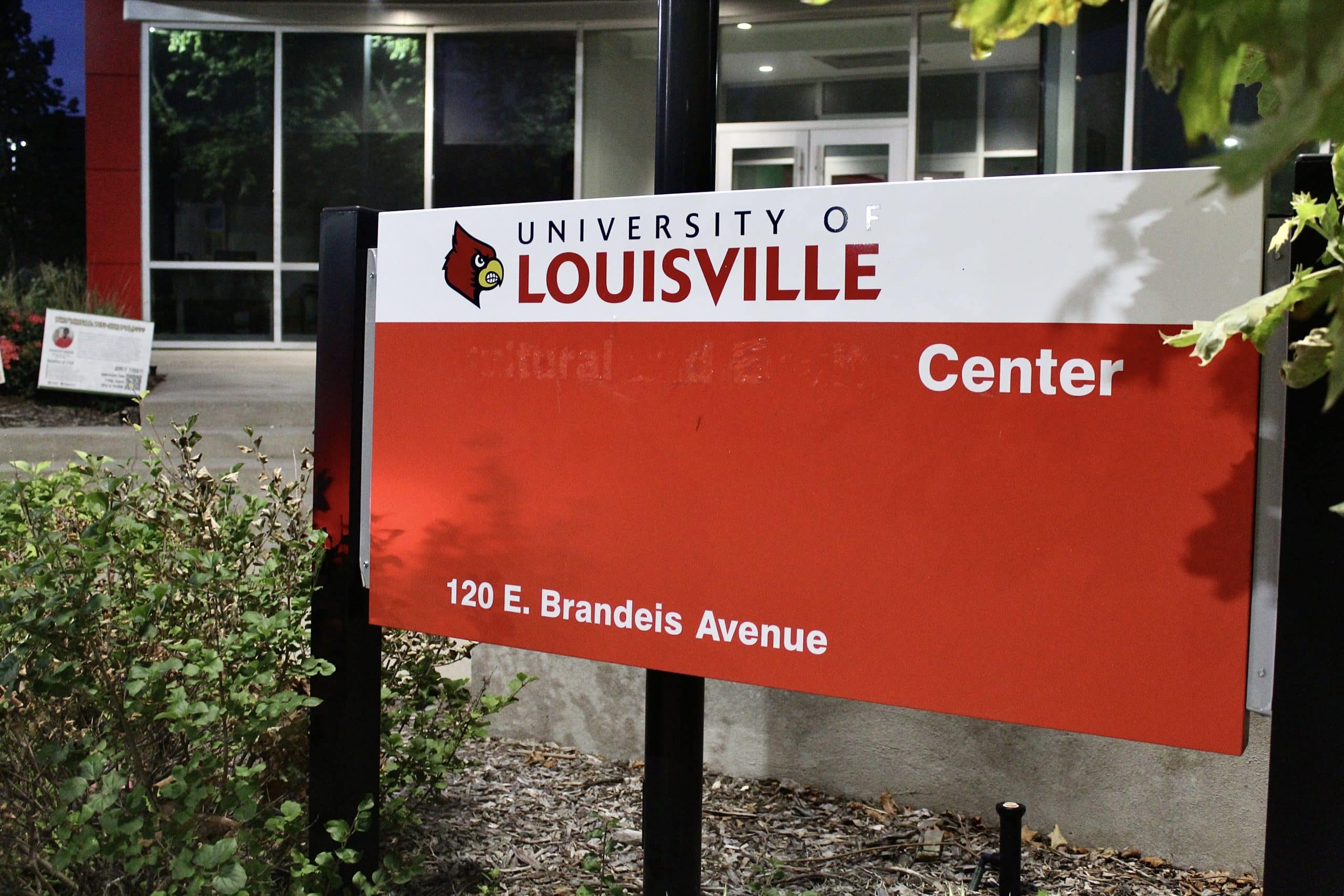
One of the biggest adjustments students will experience on campus this semester is the renaming of the Cultural and Equity Center.
These changes have raised alarms for junior Owen Otokiti.
“I have seen the names of certain organizations and buildings change, for example, the building I am in now used to be called the Cultural Center, but now it is called the Center for Belonging, Access, and Engagement,” said Otokiti.
“I have also seen the language of many awards and scholarships change too. It is a bit concerning because I feel like the university is not fighting back on something that is so detrimental to minority communities.”
Some students feel the Center for BAE’s new name means we will see a great shift. But Byron Terry, the center’s program director, says students do not have anything to worry about when it comes to their mission staying the same.
“Our main goal has always been making sure all students feel like they belong, and that they graduate,” said Terry.
“We focus on creating student support for all students across campus from freshman year all the way until graduation. That is nothing that has ever changed; I think House Bill 4 is more focused on the specific language that has been used to promote certain things.”
While it is true House Bill 4 eliminated the use of language in university documents that promoted DEI initiatives, it was not the only thing that was done away after the bill passed.
Brandyn Bailey is the current Director of Marketing for the Center for BAE, but he was previously the Assistant Director of the Cultural and Equity Center, where he also led Black Male Initiative.
“The purpose of Black Male Initiative was to provide a safe space for young Black men at the University of Louisville, while welcoming others into that space as well,” Bailey said. “The club provided a safe space for workshops around academic success and community building for young Black men on campus.”
When asked why he no longer leads BMI, his response was, “House Bill 4 mandated that diversity initiatives cease and desist in the state of Kentucky.” In simple terms, Black Male Initiative saw its last days at the end of the Spring 2025 semester.
Not only has the new bill left a gap in the resources once available on campus, it has also left student workers in a weird position. One student worker (who preferred to remain anonymous) shared his opinion on the university’s new rules on the censorship of language used by faculty.
“I have an interesting perspective because I now work as a student worker and there are consistent conversations about what I am and not allowed to say regarding House Bill 4. I am a full-time student that is still being affected by it, but at the same time I am now a university employee.”
While the University of Louisville has reassured its student body and faculty that it is still dedicated to being a diverse and inclusive campus, its students are still wary about the future that has yet to come.