 By Melissa Moody
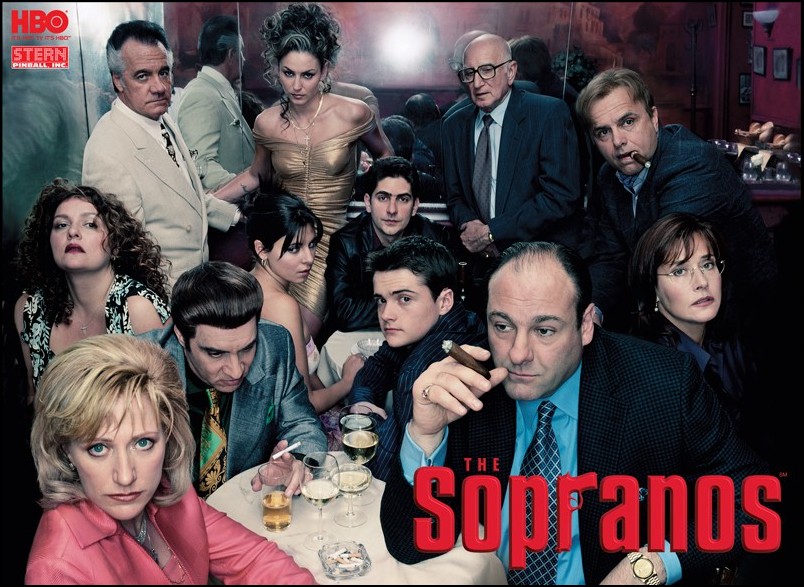
Tony Soprano is a family man. His combination of familial tenderness and unmitigated violence engrosses audiences. Tony’s relationships with both his immediate and “extended” family, living in present-day New Jersey, reveal a character navigating not only the business of organized crime but the business of life.
Actors on “The Sopranos,” like the characters they play, have little job security in the business. Most, like Big Pussy and Ralphie, face the grim prospect of getting whacked. People walk in and out of Tony Soprano’s life regularly and in remarkable ways. He has said a variety of good-byes to members of both his business and his personal families.
TV viewers will be bidding their own possibly tragic, possibly hopeful farewell to Tony Soprano soon. The final season of “The Sopranos” will begin March 12. Airing in two parts, the first 12 episodes begin this Sunday and the final eight debut in early 2007. The authoritarian yet vulnerable mob boss is being laid to rest, or possibly locked up; at this point it’s anyone’s guess. But either way, “The Sopranos”‘ unique blend of existential dilemmas and double-fisted brutality is being replaced by polygamy (new HBO series “Big Love”) and Wild West gunfights (“Deadwood”).
After a six-season run, Tony Soprano, fighting with his wife about money, his kids about grades, and his fellow mobsters about each other while visiting a therapist to deal with it, will only be available on DVD.
Strip clubs, gambling, extortion, murder and robbery are only a few of Tony’s vices. Add adultery, alcohol, tax fraud and illegal arms and the list is still incomplete. But a list of our own faults is unappealing as well. While probably committing fewer felonies, audiences are drawn to “The Sopranos” for its realistic depiction of flawed people in an inherently flawed world.
Viewers empathize with Tony’s existential debate. As he analyzes love, family, loyalty, work and the balance between them, the audience sees its own dilemmas played out, though perhaps in a less extreme way. Tony unrepentantly reflects the duality of human nature. Though he questions his motives and his actions, Tony recognizes who he is for better or for worse, allowing viewers to relate to him.
Mafia life hasn’t seen the intensity of the Hollywood spotlight so clearly since “The Godfather.” And with the end of “The Sopranos” that spotlight will more than likely fade.
However, fascination with the mafia permeates television and cinema. From Al Capone, a real-life mafia don, to James Gandolfini, who only plays one on TV, the American romance with organized crime began with the move from street to screen. The American dream, realized through crime and aided by prohibition, was and still is reflected in the stories of immigrants-turned-millionaires Mafioso. That story will always generate fascination.
The end is near for “The Sopranos,” and whatever goes down, it’s sure to be as explosive as Tony’s temper. Garnering HBO Emmy and Peabody Awards, the show has revolutionized television drama.